
Airflow basics that matter in Malaysian homes
Hot, humid evenings in Malaysia make airflow a daily comfort question rather than a decorative afterthought. A ceiling fan does not chill a room the way an air conditioner does. It moves air across skin so evaporation feels cooler, which is why the same thermostat setting can feel more comfortable once blades are spinning. Understanding that distinction helps households decide when a fan alone is enough and when it should support, not replace, cooling equipment.
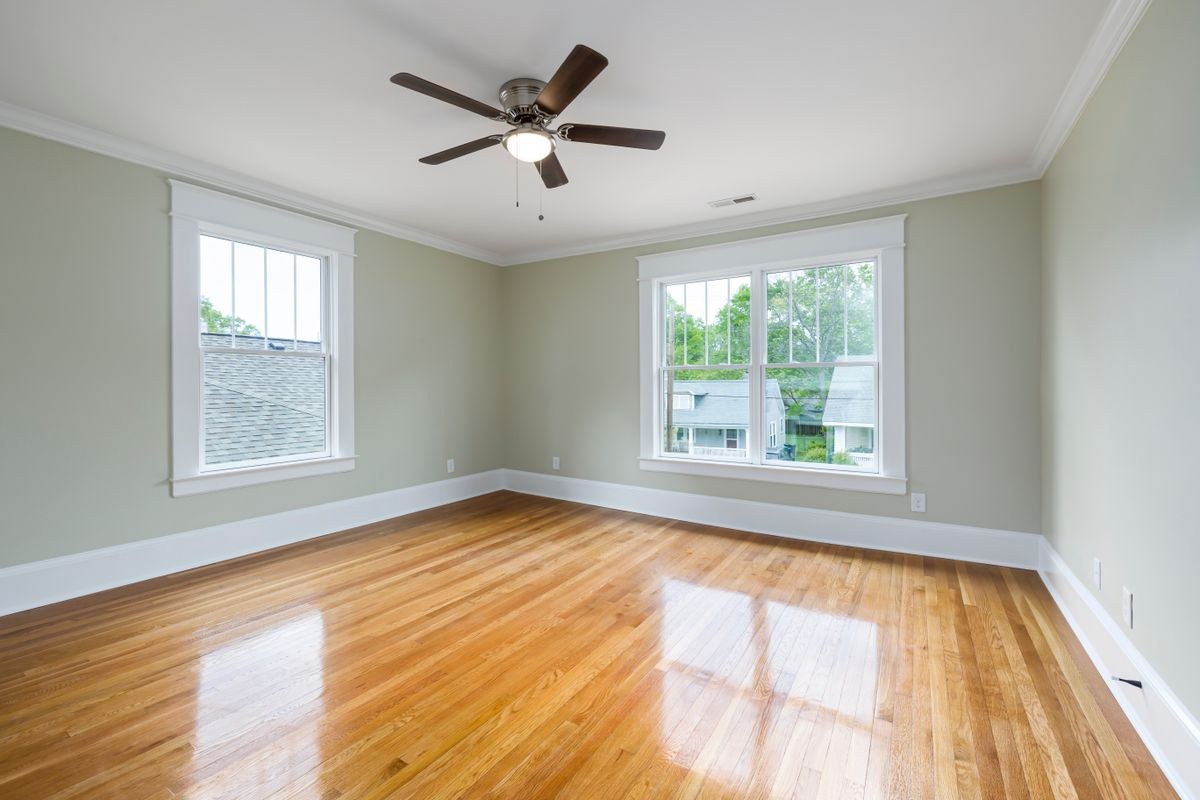
Blade pitch, motor type, and room size shape how useful a fan feels. Shallow blades may look sleek yet move less air. Oversized fans in small bedrooms can feel drafty. Reading a practical overview of a ceiling fan category helps you compare diameter and control options before you climb a ladder with the wrong model.
Public guidance from the Energy Commission (Suruhanjaya Tenaga) emphasises efficient appliance choices for Malaysian households. The MyHIJAU Mark programme highlights products that meet environmental criteria. Cross-check labels against your own electricity tariff rather than treating any badge as a guarantee of comfort.
Why DC motors show up in modern fan specs
Direct-current motors convert household power and typically run quieter with finer speed steps than many older alternating-current designs. That matters in bedrooms and study rooms where a constant hum becomes tiring. A guide to DC ceiling fan technology can clarify remote features, reverse modes, and wattage claims without turning the purchase into a branding contest.
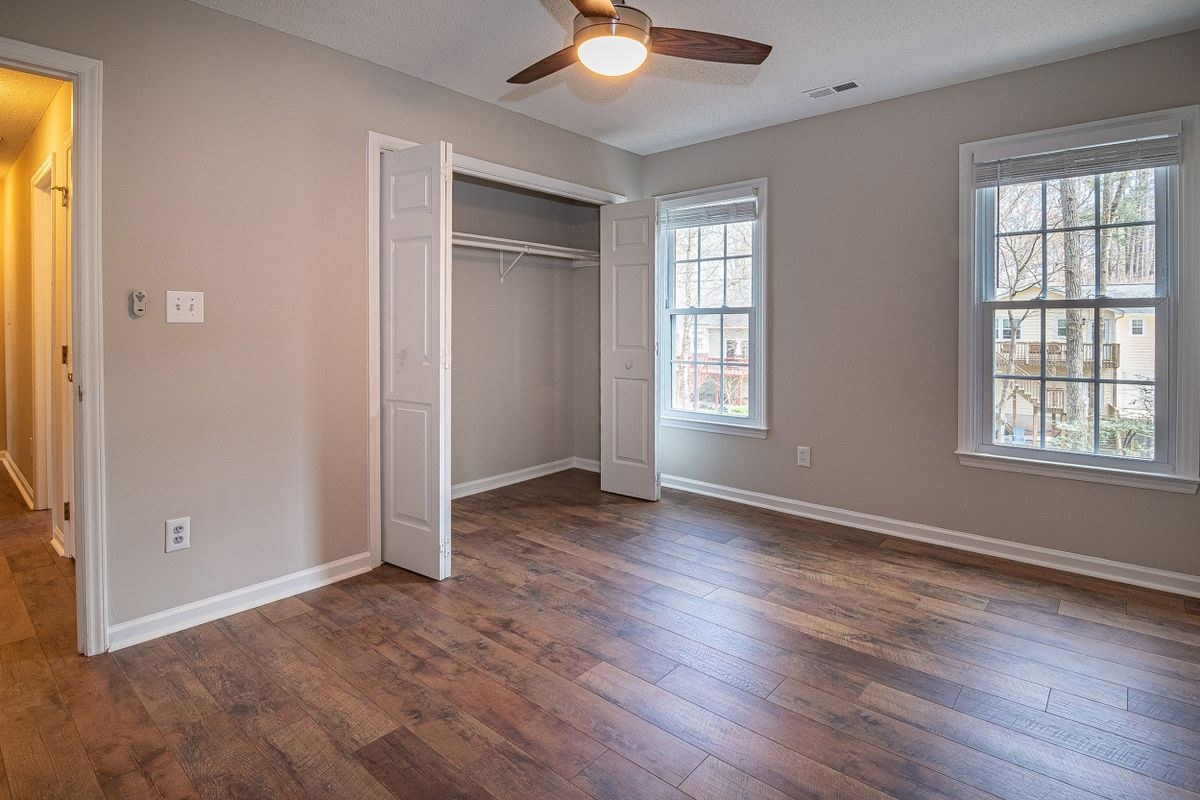
Still, motor type is only one variable. Mounting height, blade balance, and whether the fan shares a circuit with lighting all affect real-world use. If a remote loses pairing after a power cut, keep the manual nearby. Warranty paperwork should list the motor type clearly so service centres do not argue later.
Seasonal direction, humidity, and shared rooms
In many climates, counterclockwise airflow creates a cooling downdraft in warm months, while a clockwise updraft helps redistribute warmer air in cooler seasons. Malaysia is rarely cold, yet high ceilings and air-conditioned living rooms still benefit from thoughtful direction settings when the air conditioner cycles off. Shared living areas need softer speeds so conversation remains comfortable.
Humidity also changes how air movement feels. After rain, a gentle speed may feel sticky if windows stay shut. Pairing fans with brief ventilation windows can clear moisture without blasting the room. Keep blades clean; dust reduces effective airflow and makes motors work harder.
Water heaters sit in a different comfort lane
Bathroom comfort involves water temperature and electrical safety, not blade pitch. Instant heaters demand careful earthing, correct wiring, and attention to pump models in low-pressure flats. An instant water heater explainer is useful when renovating wet areas, but treat it as separate homework from fan selection. Mixing both topics in one shopping trip often leads to rushed electrical decisions.
Ask licensed electricians to confirm load capacity before adding heaters or high-wattage lighting kits on the same circuit as fans. Safety standards from national regulators exist for a reason; shortcuts in wet zones create risks that no brochure can fix after installation.
A practical shortlist before you buy
Measure the room, note ceiling height, and decide whether you need a remote, wall control, or both. Compare advertised wattage at the speeds you will actually use. Confirm spare-part availability for blades and remote receivers. Finally, listen to a demo unit if a showroom allows it: quiet claims on packaging do not always match a concrete ceiling at night. Write down your room dimensions before visiting so sales talk cannot rewrite your brief.