A small workshop, board meeting or family dinner in Bukit Bintang is not a scaled-down ballroom booking. Shortlist rooms that fit the actual headcount and layout, then check usable capacity, light, catering and load-in, a wet-weather route, and whether overnight rooms nearby matter.
1. Match the room to the format, not to a convention floor
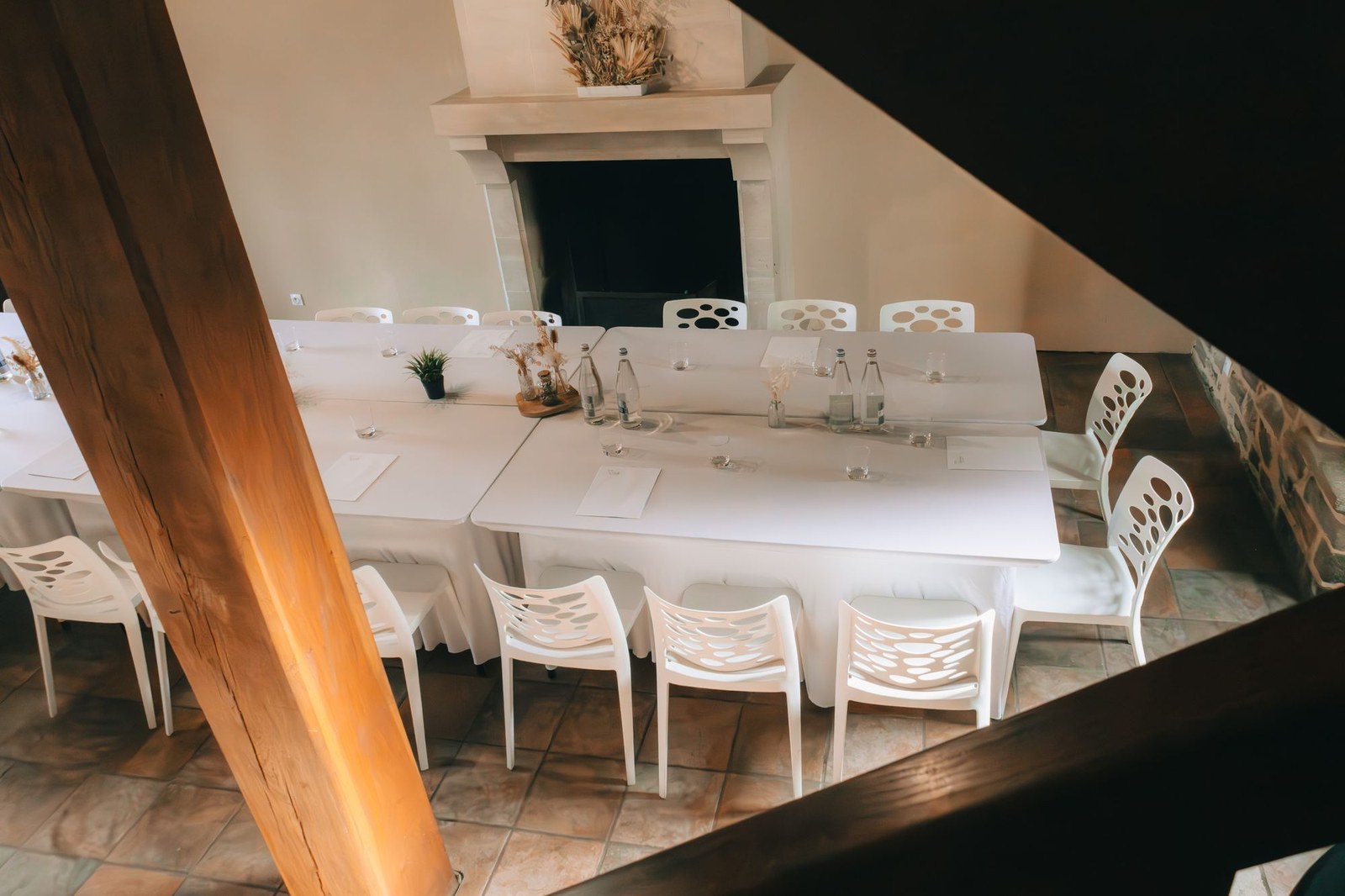
A workshop for twelve, a board meeting, or a family dinner for twenty is not a scaled-down hotel ballroom dinner: the room has to feel close enough for people to talk, and flexible enough to change from rows of chairs to a long table without a half-day of rigging. Tourism Malaysia’s note on convention and exhibition venues in Malaysia starts wide: thousands of venues, from intimate studios and meeting rooms to convention centres, including boutique hotels. Start with the audience size and the format, then shortlist rooms that actually fit that brief. A small private event space in Bukit Bintang is one example of that tighter scale: the venue’s own page describes a flexible studio for groups of about 10 to 30 people, depending on the setup, rather than a typical banquet hall.
2. Ask for capacity in the layout you will actually use
A room that “holds 30” in theatre style will not hold 30 around a workshop table with laptops. Ask for the number in the layout you actually want, and, if you can, visit at a similar time of day. If some guests are already booking a hotel near Bukit Bintang, it is worth asking whether a small room in the same building can take your layout, so the site visit covers both the function space and the stay. Look at how people will enter, where bags go, whether a speaker can be seen from the back, and whether a doorway becomes a pinch point when everyone stands up at once.
A short walk-through of venue features worth checking before you book, from layout and amenities to the less glamorous practicalities.
3. Check light, floors and whether the furniture can move
Natural light and a floor that can be rearranged matter more than a themed backdrop you will only use once. The Bukit Bintang studio mentioned above is described as having rustic brick walls, teak floors, and floor-to-ceiling windows beside the pool, which is a different atmosphere from a windowless function room. That kind of space can host a morning workshop and an evening gathering, but only if the furniture and the light actually work for both. Ask whether you can move tables, dim the lights, and keep a presentation visible in the afternoon glare.
4. Write down the wet-weather arrival route
If any part of the arrival path is open to the weather, including a poolside walk, write down the wet-weather route before you print the invitations. The same Bukit Bintang studio has those poolside windows, so the outdoor approach can be part of how guests reach the room, not only a view. On the site visit, walk the covered route and check where people wait if they arrive during rain.
5. Confirm catering, dietary notes and outside vendors
Food, power, and the hour you can start dressing the room will decide the day more than the wall colour. Some small hotel spaces offer in-house catering. The same Bukit Bintang studio says light food and drinks can come from its own coffee bar. That is convenient when the group is small, but you still need to check dietary notes, the timing of service, and whether outside vendors are allowed if the menu does not fit.
6. Ask about load-in hours, parking and basic audio
Also ask about load-in hours, freight lifts, parking for a single van, basic audio, and who on the hotel side can approve a last-minute change. Write those answers into the run of show. A pretty room that cannot take a simple microphone until 4pm is not a workshop room.
7. Decide whether overnight rooms in the same building matter
For a one-day meeting, location is mostly about arrival. For a dinner that runs late, or a two-day workshop, it helps if people can sleep in the same building or a short walk away. That is why some planners look at the hotel around the room as the base, not only the function space. KLoé Hotel, a boutique hotel in that district since 2020, is one of the properties that combines guest rooms with a small event space on the same site.
8. Check how easily guests can walk out afterwards
Tourism Malaysia lists Bukit Bintang among Kuala Lumpur’s major shopping districts, alongside KLCC and Central Market, which is relevant when out-of-town guests want to walk out after the session rather than book another transfer. Malaysia Convention and Exhibition Bureau (MyCEB), set up by the Ministry of Tourism, Arts and Culture, promotes Malaysia as a meeting and events destination at a national level. A 20-person workshop will not need that bureau’s large-event support programmes, but the same basic questions still apply: does the room fit the format, and can people get in, eat, and leave without friction?
Quick checklist
| Check | Why it matters |
|---|---|
| Format and headcount first | A 12-person workshop is not a ballroom brief |
| Capacity in your layout | Theatre maximum is not workshop capacity |
| Light and movable furniture | Morning and evening uses can differ |
| Wet-weather route | A poolside or open path can change the arrival |
| Catering and vendors | Coffee-bar food may not cover every diet |
| Load-in, parking and audio | Access hours can block a morning start |
| Overnight rooms | Late dinners and two-day workshops need a nearby stay |
| Walk-out location | Bukit Bintang sits among KL’s major shopping districts |
Frequently asked questions
How many people can a small Bukit Bintang hotel studio take? One published example describes a flexible studio for about 10 to 30 people, depending on the setup. Ask for the number in your chosen layout.
Do I need a national events bureau for a 20-person workshop? MyCEB promotes Malaysia for meetings and events nationally, but a small workshop will not need its large-event support programmes.